Phishing Isn’t Obvious Anymore and That’s the Problem
Phishing Isn’t Obvious Anymore and That’s the Problem
A staff member at a Lane County CPA firm receives what appears to be a routine email from a long-time client. It references a real engagement, includes a familiar signature, and asks them to review an attached document. Nothing seems out of place. The link opens what looks exactly like a Microsoft 365 login page. They sign in, continue their day, and think nothing of it. By the afternoon, their account is sending emails to clients requesting updated payment information. No alarms. No warning signs. Just a normal workday that quietly turns into a business issue. Most security incidents today still begin the same way: a single, well-crafted email. For small and midsize organizations in Eugene, Springfield, and across Lane County, phishing is not an abstract cybersecurity concern. It is one of the most common and costly business risks.
For owners, executive directors, and firm leadership, the real question is not whether phishing exists. It is whether your team can recognize it in its current form.
What Phishing Actually Looks Like Today
The old stereotype of phishing emails being poorly written or easy to spot is outdated. Today’s attacks are polished, targeted, and often blend seamlessly into everyday business communication. Here is what organizations in Lane County are encountering:
Business Email Compromise (BEC)
Attackers impersonate executives, vendors, or clients to request payments or sensitive information. These emails often come from compromised accounts or domains that are nearly identical to legitimate ones. A construction firm may receive updated payment instructions from a “vendor.” A nonprofit may get a message that appears to come from its executive director requesting an urgent transfer.
Credential Harvesting
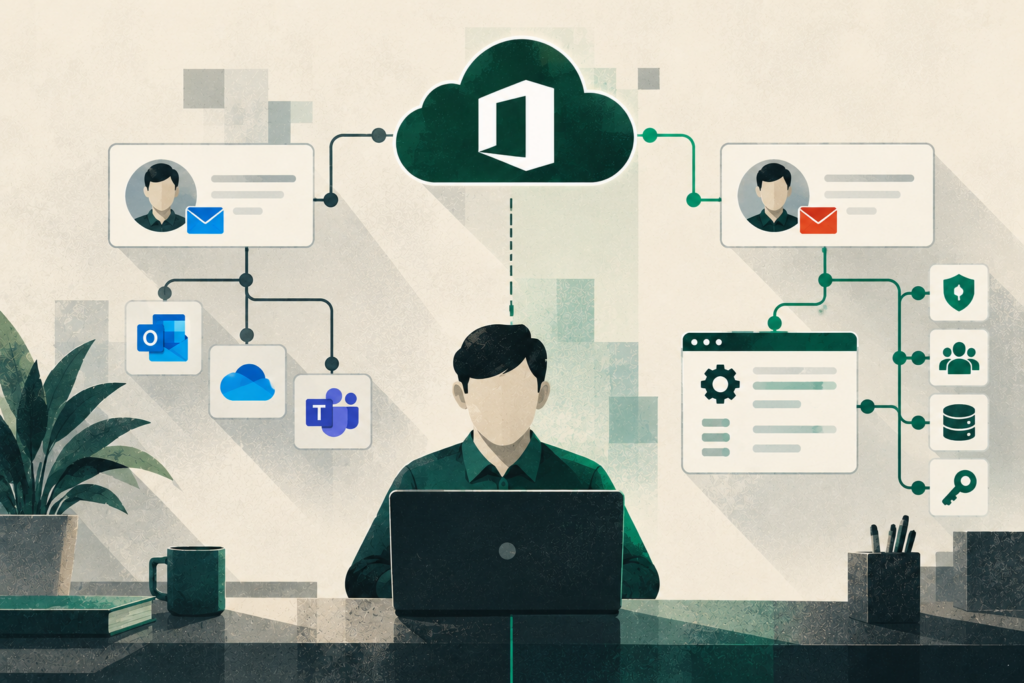
Rather than deploying malware, many attackers focus on stealing login credentials. Emails prompt users to “view a document” or “verify account activity,” directing them to convincing but fraudulent Microsoft or Google login pages. Once credentials are entered, access is immediate.
MFA Fatigue (Push Bombing)
Even organizations using multi-factor authentication are seeing new tactics. Attackers send repeated login approval requests, hoping the user eventually clicks “approve” just to stop the notifications.
QR Code Phishing (Quishing)
Emails or printed materials include QR codes that lead to malicious websites. Because users often scan these on personal devices, traditional email filters may not catch the threat.
These are not rare or sophisticated edge cases. They reflect the current baseline of phishing activity affecting professional services firms, manufacturers, healthcare practices, and local businesses throughout Eugene and Springfield.
Why Phishing Works; Even with Capable Teams
Phishing does not succeed because employees are careless. It succeeds because it is designed to align with how people work.
Urgency Drives Quick Decisions
Messages often create pressure: “Your account will be locked,” “This invoice is overdue,” or “I need this processed today.” In a busy office, speed often takes priority.
Authority Reduces Friction
When a request appears to come from leadership, a client, or a trusted vendor, employees are less likely to question it. They are doing what they are expected to do—respond efficiently.
Familiarity Builds Confidence
Modern phishing emails replicate logos, signatures, and even real email threads. In some cases, attackers are replying within ongoing conversations from compromised accounts.
People Are Busy, Not Negligent
Across industries in Lane County, teams are balancing client demands, deadlines, and operational responsibilities. Phishing works because it blends into that environment, not because someone made an obvious mistake.
Understanding this is important. It shifts the focus from blaming individuals to strengthening processes and awareness across the organization.
If You Only Remember a Few Things, Remember These
Effective phishing defense does not require technical expertise. It requires consistent habits across your team.
- Pause Before Clicking
Hover over links to confirm where they actually lead. If something feels off, trust that instinct. - Check Email Domains Carefully
Small differences in domain names are easy to miss but often signal fraudulent messages. - Be Cautious with Unexpected Attachments
Even if the sender looks legitimate, an unexpected file should raise questions. - Verify Requests Involving Money or Sensitive Data
Always confirm payment changes or sensitive requests through a separate method, like a phone call. - Slow Down When There’s Urgency
Pressure is one of the most reliable warning signs. Taking a moment to verify can prevent a costly mistake.
These are simple steps, but they are most effective when they are consistently practiced across the organization.
Why Training Makes the Difference
Technology is an important layer of defense, but it is not enough on its own. The most effective protection we see among organizations in Eugene and Springfield is consistent, real-world employee training. Organizations that regularly train and test their teams are far more likely to identify phishing attempts before they cause damage. More importantly, they build internal habits that hold up under pressure. Simulated phishing exercises are especially valuable. They give employees the opportunity to encounter realistic scenarios in a safe environment, helping turn awareness into instinct. We often incorporate this type of ongoing training into our work with Lane County businesses, alongside technical safeguards. The goal is not just to reduce risk, but to build a culture where employees actively contribute to protecting the organization.
The Business Impact Is Real and Immediate
Phishing is not just an IT issue. It directly affects operations, finances, and reputation.
Financial Loss
Fraudulent payment requests and account compromise can lead to immediate financial impact.
Operational Disruption
Locked accounts or compromised systems can delay work, disrupt communication, and impact service delivery.
Client and Community Trust
For professional services firms, nonprofits, and healthcare organizations, trust is foundational. A phishing-related incident can damage relationships that took years to build.
Compliance and Regulatory Exposure
Depending on your industry, an incident may trigger breach notification requirements or regulatory scrutiny.
Many smaller organizations assume they are not targets. In reality, attackers often focus on businesses with fewer internal resources and less formal security processes. The absence of public incidents does not mean the risk is low.
A Practical Next Step for Lane County Organizations
Phishing is a persistent risk, but it is manageable with the right approach. For business leaders, the priority should be clarity, consistency, and preparation.
If you are unsure how your team would respond to a realistic phishing attempt, that is worth evaluating. A combination of user awareness, practical training, and clear internal procedures can significantly reduce exposure.
We work with organizations across Eugene, Springfield, and throughout Lane County to help them understand what they are facing and what is working for similar businesses locally. If you would like a clearer picture of your current risk or a practical way to strengthen your defenses, we are always available as a resource.
What to read next
Back to Blogs