Vendor MFA Is the New Supply Chain Security Requirement
Many business leaders assume cybersecurity is primarily an internal responsibility. If your employees use strong passwords, your systems are protected, and your data is backed up, it feels like the major risks are under control. The reality is that many cybersecurity incidents now originate outside the organization.
For manufacturers, construction firms, and professional service organizations across Eugene, Springfield, and Lane County, third-party vendors often have access to critical systems, sensitive information, financial processes, or business operations. Whether it is a payroll provider, software vendor, accounting consultant, engineering partner, managed service provider, or cloud application provider, these relationships create an extended digital supply chain.
As cyberattacks increasingly target vendors and service providers, multifactor authentication (MFA) has become one of the most important security expectations organizations should require from the companies they work with. The question is no longer whether your organization uses MFA. Leadership should also be asking whether their vendors do.
Why Third-Party Access Creates Business Risk
Most organizations rely on dozens of external relationships to operate efficiently. Vendors may access accounting software, project management platforms, document repositories, production systems, customer portals, or email environments.
Each connection creates a potential pathway into the business.
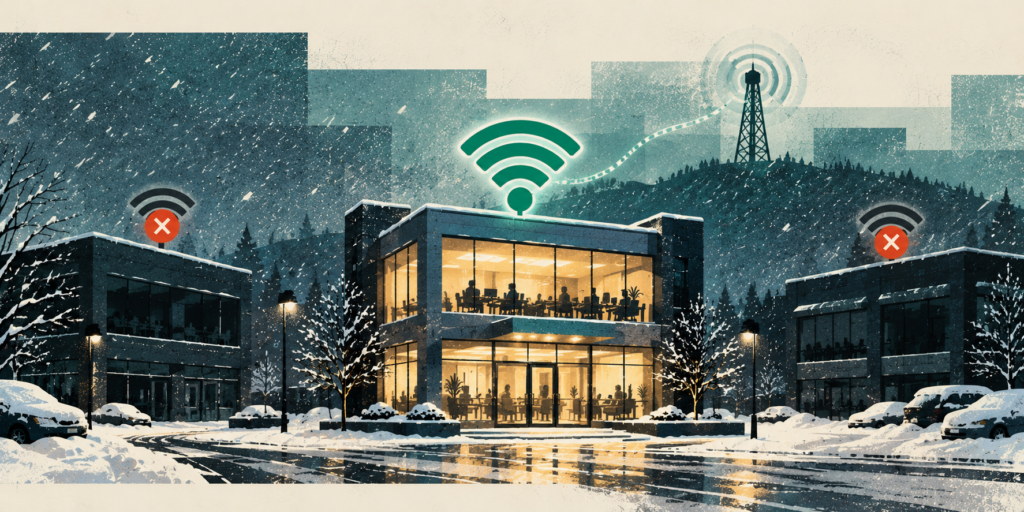
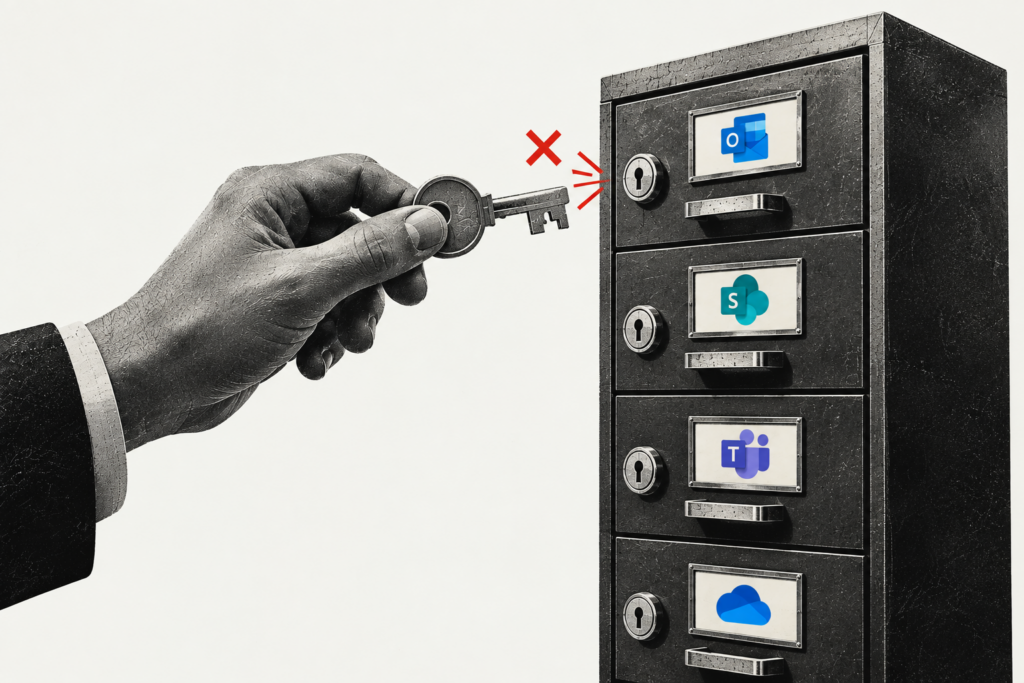
An attacker does not always need to break through your security controls directly. Sometimes the easier route is compromising a vendor account with access to your environment. If a vendor employee’s credentials are stolen and MFA is not enabled, attackers may gain the same level of access that vendor possesses.
This is particularly relevant in industries such as manufacturing and construction, where specialized software providers often support operational technology, inventory systems, scheduling platforms, and field applications. Professional service firms frequently share sensitive financial, legal, or client information with third parties that require ongoing access.
When evaluating cyber risk, organizations should consider vendor access as an extension of their own attack surface.
Common Vendor Security Weaknesses
Most vendors are not careless. However, many small and midsize service providers face the same challenges as their customers. Limited IT resources, rapid growth, legacy systems, and inconsistent security practices can all create vulnerabilities.
Some of the most common issues include:
Shared Accounts
Multiple employees using the same login credentials makes accountability difficult and increases the risk of compromise. Shared accounts also make it harder to enforce MFA consistently.
Password-Only Authentication
While passwords remain necessary, they are no longer sufficient protection on their own. Phishing attacks, credential theft, password reuse, and data breaches continue to expose credentials that attackers can exploit.
Excessive Access Permissions
Vendors sometimes retain access long after projects conclude or personnel changes occur. Over time, organizations accumulate unnecessary access privileges without formal review.
Lack of Formal Security Policies
Smaller vendors may provide excellent service while lacking documented cybersecurity requirements, employee training programs, or incident response procedures.
Infrequent Security Reviews
Vendor relationships often remain unchanged for years. Security controls that were acceptable when the contract began may no longer align with current threats or insurance expectations.
These gaps do not automatically indicate a poor vendor. They do, however, represent areas leadership should evaluate as part of a broader risk management strategy.
Why MFA Has Become a Minimum Expectation
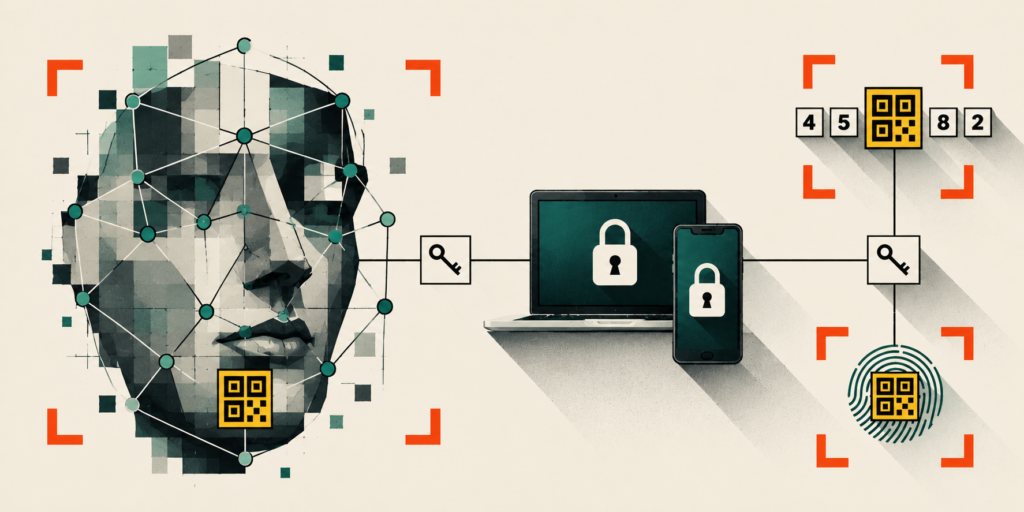
Multifactor authentication is one of the most effective controls for preventing unauthorized account access. By requiring an additional verification step beyond a password, MFA significantly reduces the likelihood that stolen credentials can be used successfully.
Cyber insurers increasingly expect organizations to deploy MFA internally. Regulators, industry frameworks, and government cybersecurity guidance similarly emphasize MFA as a baseline security control.
The same logic applies to vendors.
If a vendor accesses sensitive information, financial systems, cloud platforms, remote support tools, or administrative accounts, MFA should generally be considered a minimum requirement rather than a best practice.
For business leaders, MFA has become a practical due diligence question:
“Does every person accessing our systems through your organization use multifactor authentication?”
The answer provides valuable insight into the vendor’s overall security maturity.
Contract Language Worth Considering
Many vendor agreements focus heavily on pricing, service levels, and deliverables while providing little detail about security responsibilities.
As organizations become more dependent on external partners, contract language increasingly plays a role in managing cybersecurity risk.
Legal counsel should always review contractual provisions, but leadership may wish to consider requirements such as:
- Mandatory MFA for accounts accessing organizational systems
- Notification requirements following a security incident
- Defined timelines for reporting potential breaches
- Employee access management standards
- Data protection requirements
- Vendor cybersecurity insurance coverage
- Rights to request security documentation or assessments
- Procedures for terminating and removing access when services end
The goal is not to create burdensome requirements. Instead, organizations should establish clear expectations before an incident occurs.
When security obligations are documented in advance, both parties understand their responsibilities.
A Practical Vendor Security Verification Checklist
Organizations do not need to conduct enterprise-level security audits for every vendor. However, a structured review process can identify major concerns.
Consider asking vendors:
Access Management
- Do you require MFA for all employees?
- Is MFA enforced for administrative accounts?
- How are user accounts created and removed?
Security Governance
- Do you maintain written cybersecurity policies?
- Do employees receive security awareness training?
- Do you have an incident response plan?
Data Protection
- What information do you store or access?
- How is sensitive data protected?
- Are backups maintained for critical systems?
Incident Handling
- How will we be notified if an incident affects our organization?
- What response procedures are in place?
- Who serves as the security contact?
Compliance and Insurance
- Do you maintain cybersecurity insurance?
- Are you subject to regulatory or industry security requirements?
- Can you provide evidence of security controls if requested?
The objective is not perfection. It is understanding risk levels and making informed decisions.
Establish an Ongoing Review Process
Vendor cybersecurity is not a one-time exercise.
Businesses routinely reassess insurance coverage, banking relationships, financial performance, and operational vendors. Cybersecurity should be reviewed with similar discipline.
Many organizations benefit from establishing annual or biannual vendor security reviews. High-risk vendors that handle sensitive information or maintain privileged access may warrant more frequent assessment.
A simple review process often includes:
- Maintaining a list of vendors with system access
- Categorizing vendors based on risk level
- Reviewing MFA and security requirements annually
- Confirming access remains necessary
- Updating contracts when appropriate
- Documenting vendor security discussions
These activities help demonstrate due diligence while reducing surprises when incidents occur.
The Leadership Perspective
Supply chain cybersecurity is no longer limited to large enterprises or global manufacturers. Every organization that relies on external technology providers, consultants, software vendors, or managed services inherits some level of vendor-related risk.
For business leaders, the most important shift is recognizing that cybersecurity accountability extends beyond organizational boundaries. A trusted vendor’s security practices can directly affect operational continuity, client trust, insurance coverage, and regulatory obligations.
Multifactor authentication has become one of the clearest indicators of whether a vendor takes cybersecurity seriously. While it is not the only control that matters, it is one of the simplest security requirements to verify and one of the most effective ways to reduce risk.
Organizations throughout Eugene, Springfield, Lane County, and the broader Willamette Valley increasingly benefit from treating vendor cybersecurity as part of their overall governance and risk management strategy. Emerald Technology Group helps manufacturing companies, construction firms, professional service organizations, and other local businesses evaluate third-party risk, assess vendor security expectations, and develop practical cybersecurity programs that align with real-world business operations and long-term growth objectives.
What to read next
Back to Blogs